
Blog
Want to learn the top five lessons after spending millions of dollars on Facebook ads for landscapers? In this video blog, we will break each one of them down for you.

Should landscapers put prices on their websites? In this video blog, we discuss three reasons why you might want to consider doing so.

Learn how landscaping contractors should price jobs, protect profit margins, manage cash flow, and grow without sacrificing profitability.
What would happen to your landscaping business if you invested $5,000 per month in Facebook Ads? In this video blog, we'll break down the economics of that investment, and what it could look like for your landscaping company.

Want more landscaping leads from tradeshows? In this video blog, we'll show you how to easily grab people's attention at tradeshows and turn them into quality clients.
What if everything you thought you knew about Facebook ads was wrong? In this video blog, we'll discuss the top seven Facebook ad myths for landscapers.
Want to know how to market your landscaping business in the off-season? In this guide, we'll break down three concepts to help you keep pushing forwward (even if you're all booked up for the season).
Are your landscaping Facebook ads attracting tire kickers? In this video blog, you will discover 5 reasons why your ads are attracting tire kickers (and how to fix it.)
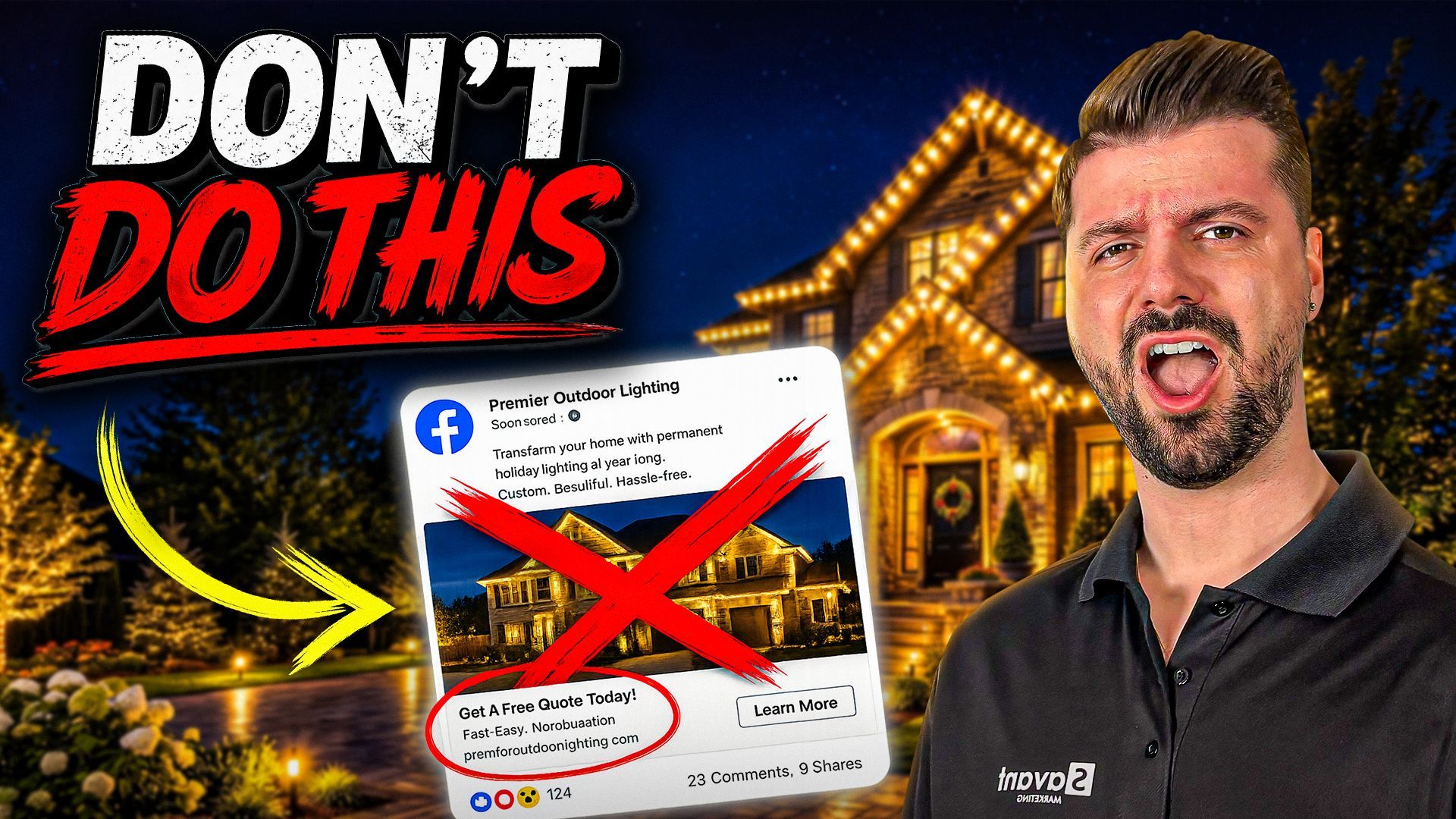
If you're running Facebook ads for your permanent lighting business and they aren't producing the results you expected, you're not alone. Some contractors generate almost no leads, while others receive plenty of inquiries that never turn into paying customers. When that happens, it's easy to assume Facebook ads simply don't work. In reality, Facebook is still one of the most effective ways to generate permanent lighting leads. The difference is that today's homeowners have more choices than ever before. More contractors are advertising, expectations are higher, and the strategies that worked several years ago no longer stand out. The good news is that most underperforming campaigns can be fixed. In our experience working with permanent lighting companies across North America, there are five common reasons Facebook ads fail. If you improve these five areas, you'll dramatically increase both the quantity and quality of the leads your campaigns produce.

Marketing your Permanent Lighting business and booking more jobs can be difficult. This guide gives you 5 proven strategies to do so that work in 2026.
Marketing for landscapers can be incredibly profitable. But sometimes it can be difficult to understand the ROI. That's why we're going to break down the top 5 metrics you can track to ensure you're driving revenue with your investment.
Landscaper marketing has changed over the years. In this video blog, we break down the top 7 mistakes we see landscapers make that are holding them back from scaling their company to the next level.
Discover the biggest landscaping marketing trends for 2027 and learn how AI, short-form video, online reputation, and modern marketing strategies can help you generate more profitable landscaping projects.

Want to become the #1 landscaper in your city? In this video blog, we break down the top 7 things you can implement to put yourself on the path of dominating your local area.
Most landscaping companies do not have a lead problem. They have a lead source problem. Too many contractors rely on one source of business, whether that is referrals, repeat customers, Facebook, Google, or word of mouth. The issue is that every lead source has limitations. Referrals can slow down. Advertising costs can increase. Search volume can fluctuate. Economic conditions can change. When a company depends heavily on a single source of leads, growth becomes unpredictable and revenue becomes vulnerable. The strongest landscaping companies build multiple lead sources that work together. Instead of hoping the phone rings, they create a system that consistently generates opportunities from different channels. This creates stability, reduces risk, and allows the business to grow without depending on any one marketing strategy. In this article, we will break down seven proven lead sources for landscaping and outdoor living companies. We will cover the advantages and disadvantages of each one so you can better understand how they fit into your overall growth strategy.

Struggling to scale your landscaping company past one million? In this video blog, we'll break down several reasons why many landscapers struggle to scale their business past seven figures.

Facebook ads are an excellent way to get more permanent LED lighting projects. This video blog breaks down how you can add $100k to your winter season by adding permanent LED lighting.

Facebook Ads for Landscapers can be hard, but this guide makes it simple. With over 3+ hours of content, this is the ultimate Facebook Ads guide for Landscaping businesses.
Want to get more leads from Google? Google Local Services Ads is a fantastic way for landscapers to get more leads through Google. This guide breaks down what they are, how they work, and how you can implement them into your business.
Are your Landscaping Facebook Ads attracting the wrong people? In this video blog, we'll break down the top five reasons for that, and how to fix it.

Looking to make more money this season with your landscaping business? Here are 5 marketing strategies you can implement today to start increasing your revenue.
Discover the 7-question discovery call script that helps landscapers qualify leads, reduce wasted estimates, prevent sticker shock, and close more landscaping jobs.
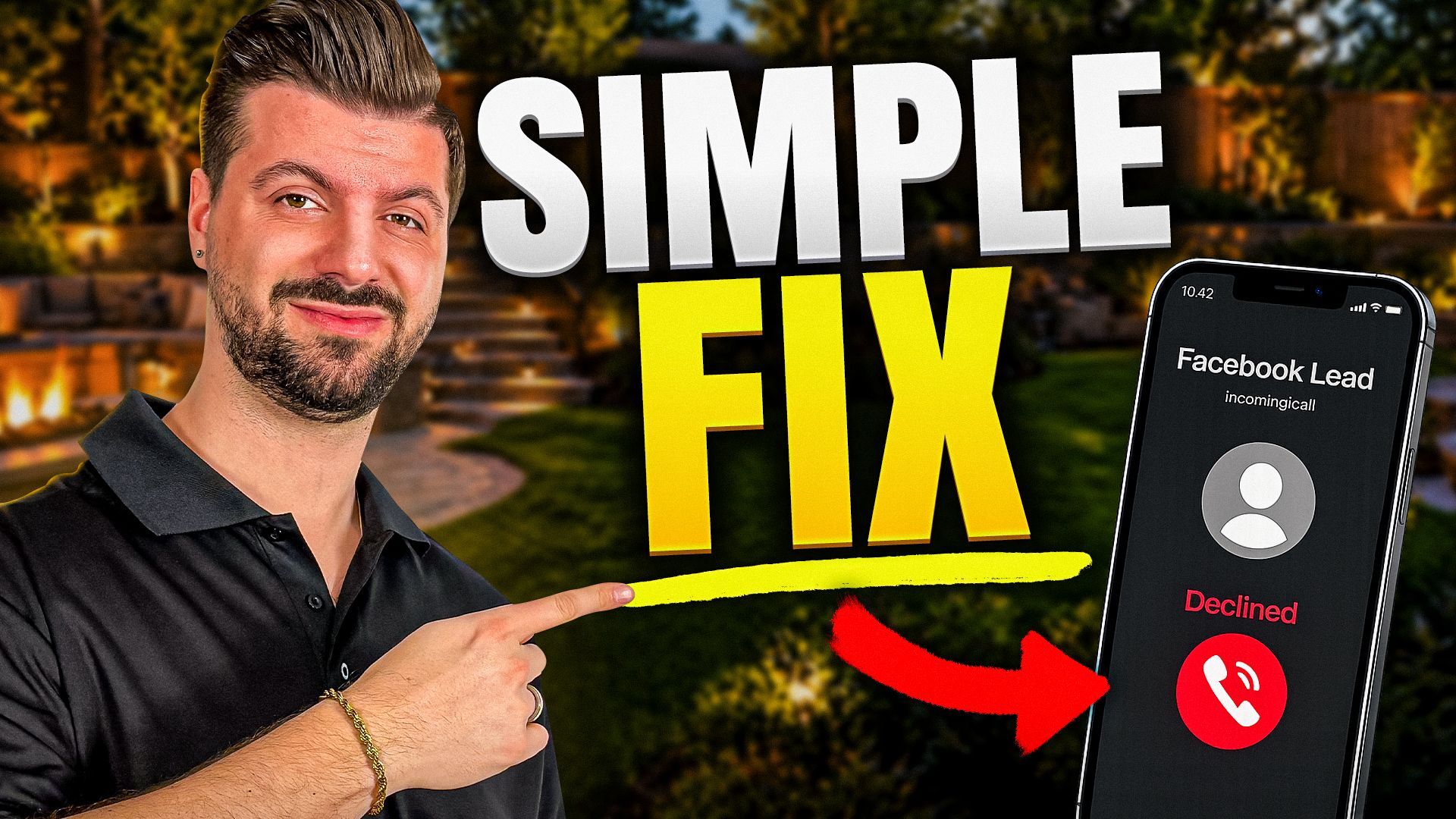
Facebook ads for landscapers are incredibly powerful for driving more leads and growth. But what happens if your leads aren't answering the phone? This guide will show you exactly what to do.
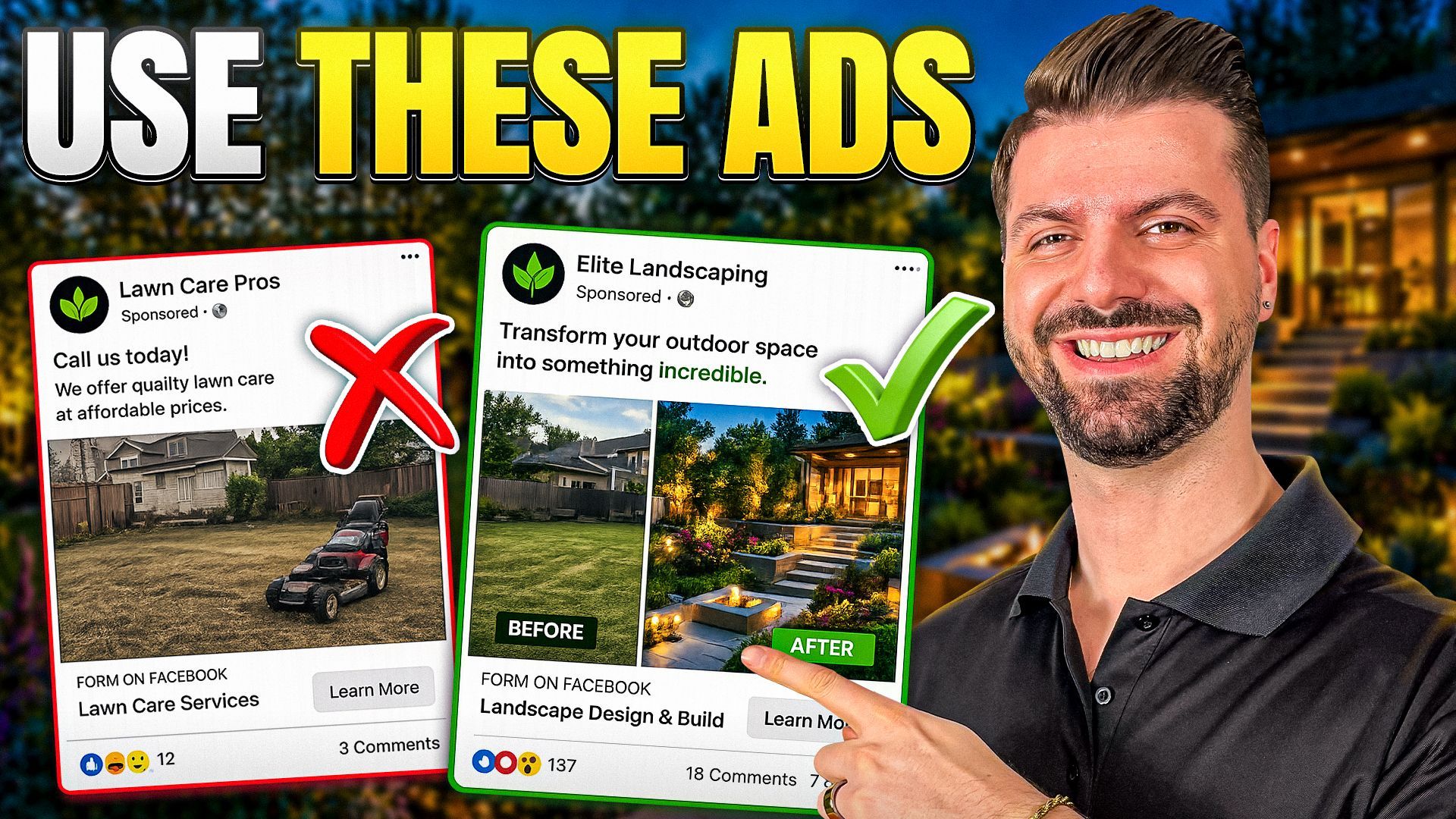
Facebook ads for landscapers are incredibly effective, but the content you choose to use is one of the most important aspects. This article will break down the top three ad creatives to use and why.
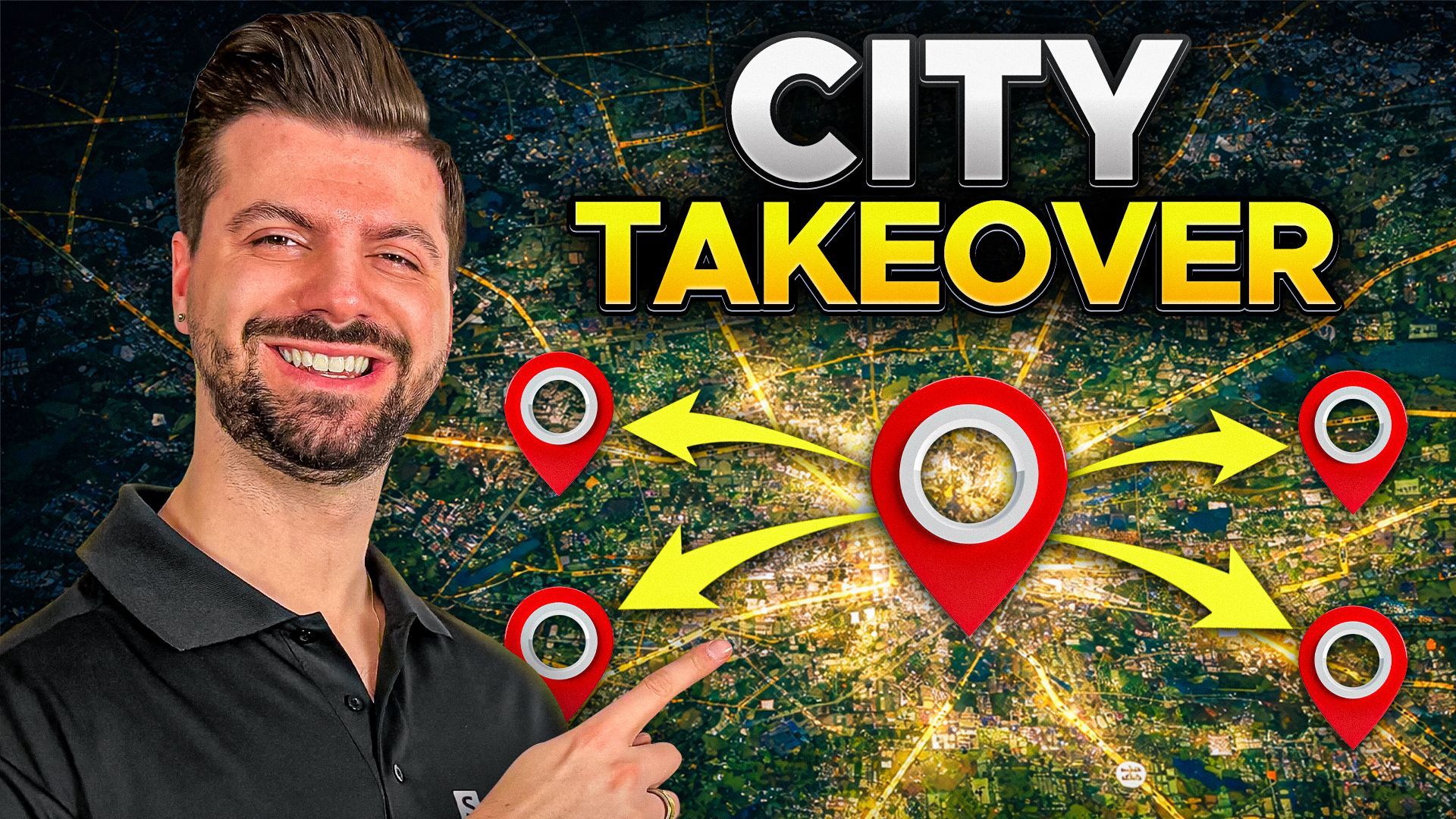
Want to rank your landscaping business on Google in multiple different cities? This guide will show you exactly how to set up different Google business profiles so you can rank organically.
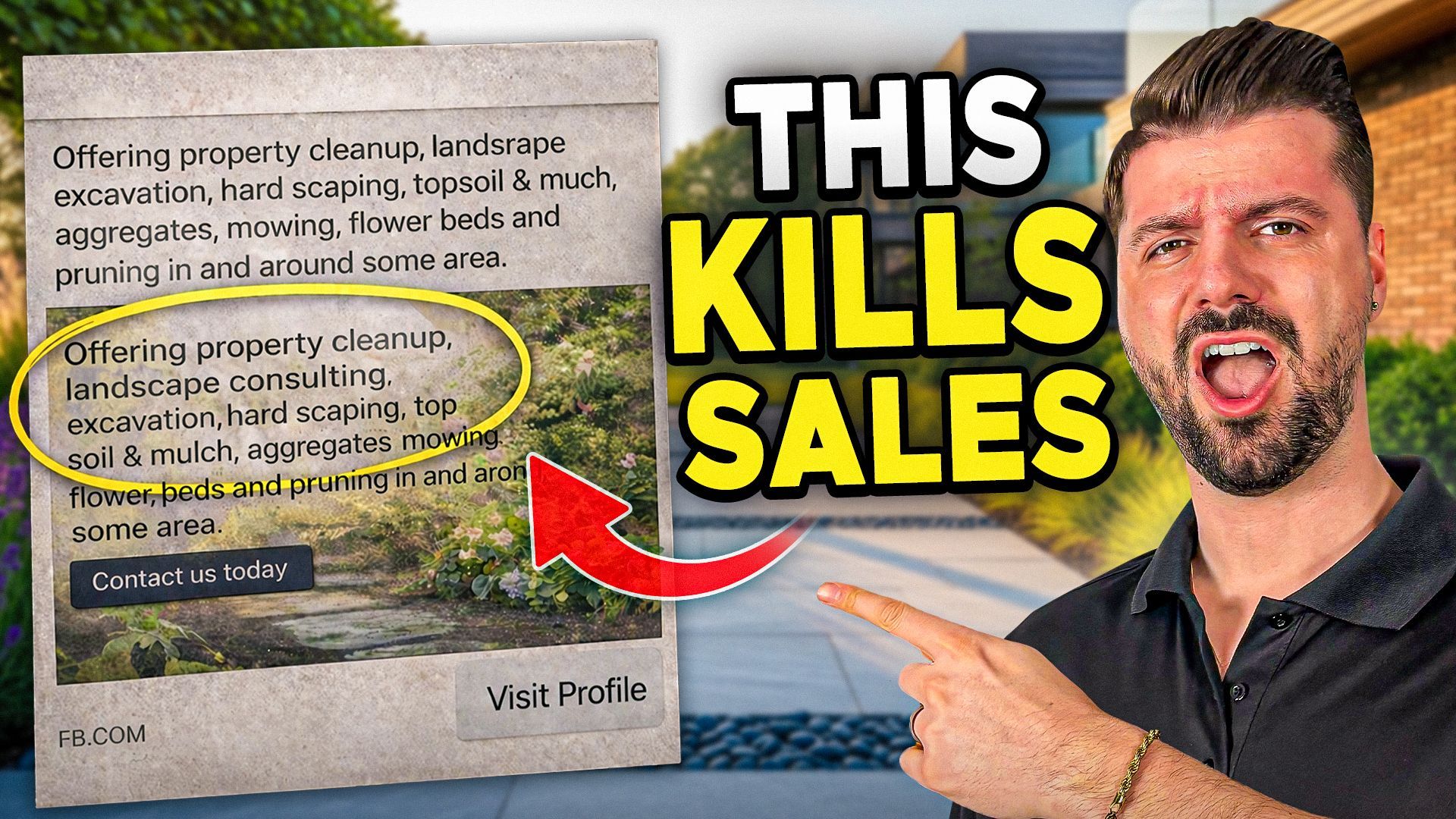
We audited 10 different landscaping businesses' marketing strategies, and here is what we found...

How many landscaping leads do you actually need from marketing to hit $100,000 per month? In this video blog, we'll break it all down for you.

Most landscapers market their business to only get jobs on the front end. But what about building up the back end of your business? In this video blog, we'll discuss how you can create lifetime value for your landscaping company.
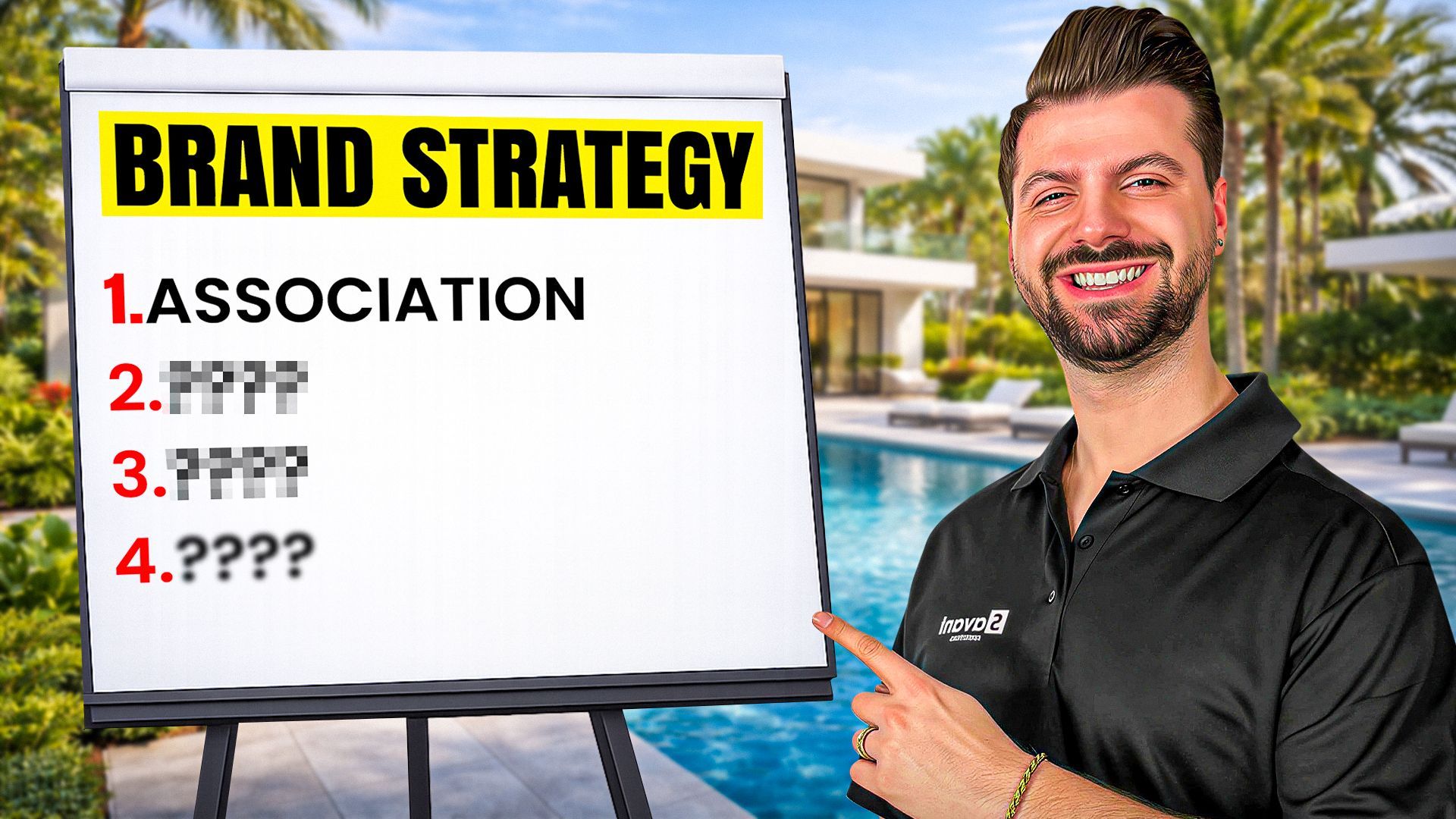
Marketing for landscapers isn't always about just lead generation... having a great brand makes your Facebook ads, Google Ads, and SEO more effective in converting leads! This strategy builds trust fast so homeowners are more likely to choose you.
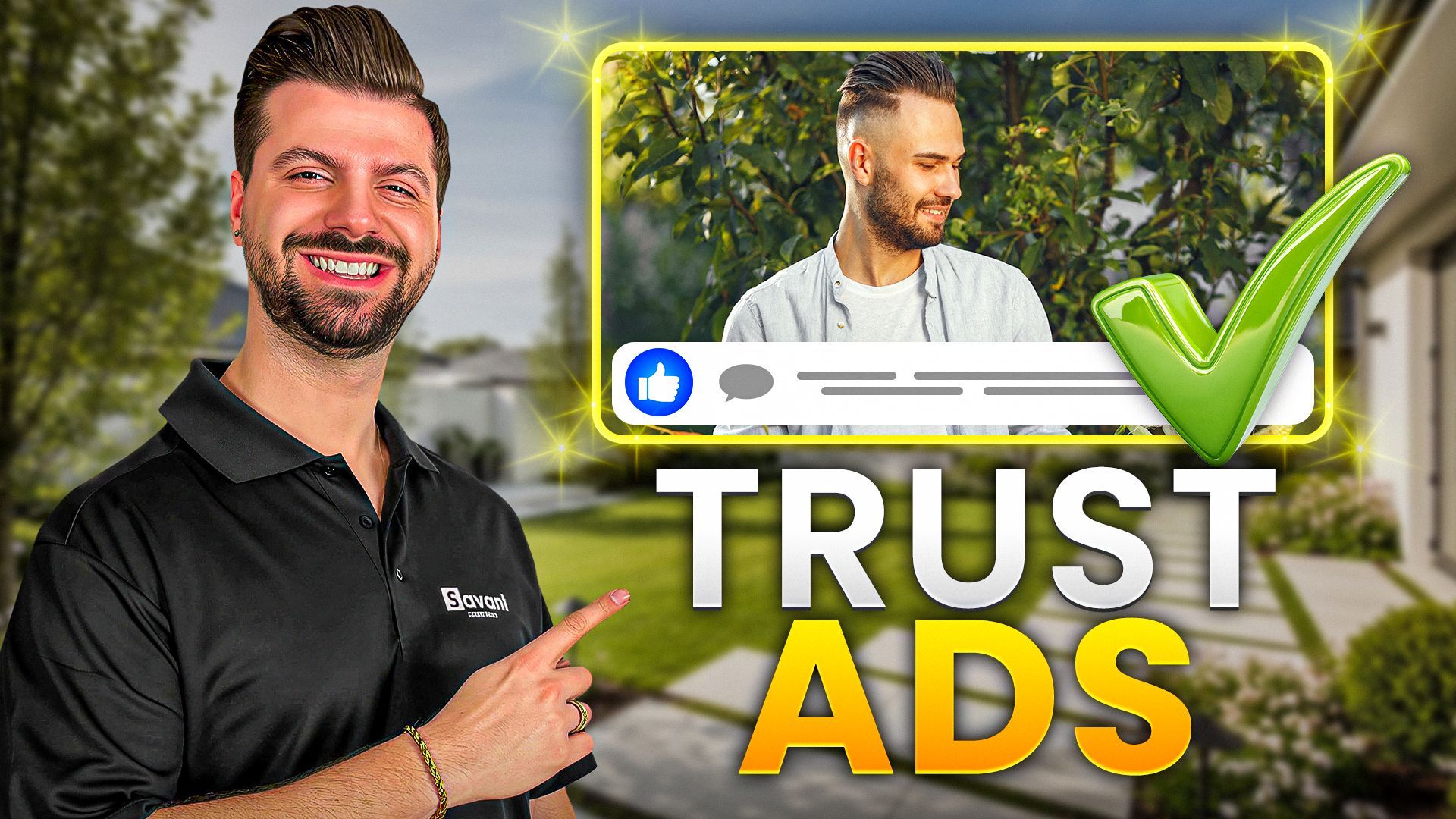
Facebook ads for landscapers have changed recently. Just running lead generation ads alone is no longer enough. You need to have content baked into your campaign that's optimized around trust. Learn more about this strategy in this video blog!

Want to add $100,000 per month to your landscaping business? This video blog breaks down how you can use Facebook ads to do so, and the winning script our clients use to get results fast.